What I Really Think About Supplements (As a Registered Dietitian)
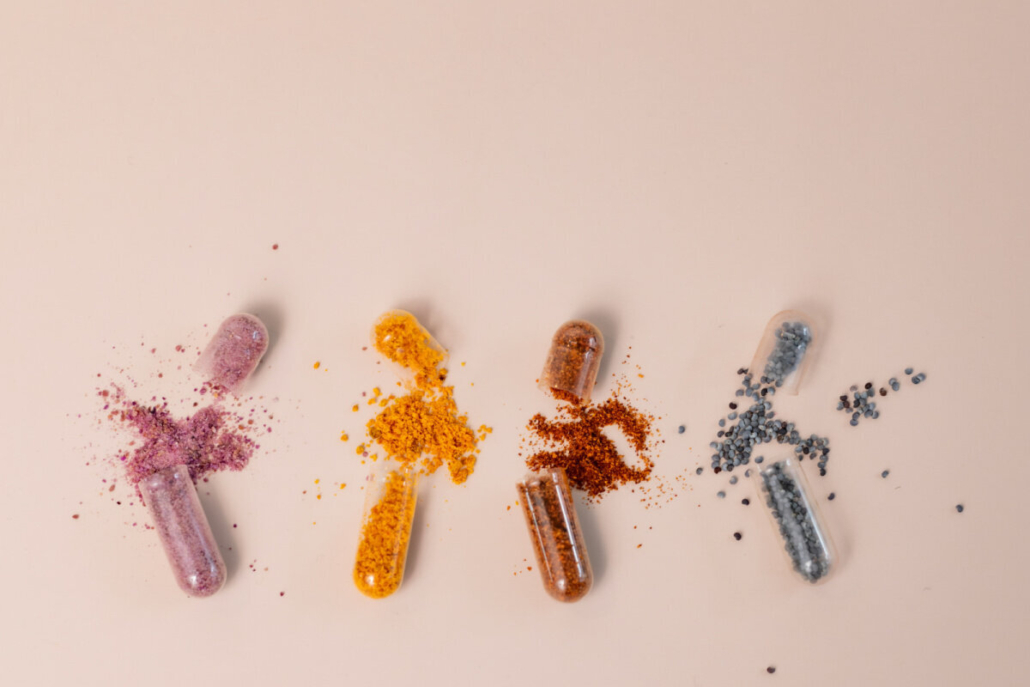
At Lizzy Swick Nutrition, I work with women navigating the transitional journey of fertility, pregnancy and postpartum recovery, as well as the eventual transition through perimenopause too. Whether a woman is trying to lose weight without falling back into diet culture traps or just looking optimize longevity, my job is clear: translate the science without bias. Supplements always come up no matter what phase of life a woman who finds me is in, and they should. They’re wildly confusing!
Here’s the truth: supplements can be incredibly useful. Sometimes they’re necessary. But they’re not “nutrition insurance,” they’re not magic pills, and they definitely don’t replace the fundamentals of eating well, moving your body, sleeping, and managing stress.
Otherwise, you’re just swimming in the influencer sea of paralysis by over analysis.
Why Food Always Comes First
As Hippocrates said: “Let food be thy medicine.”
Food is your foundation. Especially for women who’ve carried babies, breastfed, or are facing hormone shifts in their 40s and 50s, the body is craving nutrient-dense food more than another supplement.
History proves this – think of scurvy and how vitamin C-rich foods solved it [1]. But also: an orange isn’t just vitamin C. It’s fiber, folate, flavonoids, and hydration. That synergy is powerful, and no pill can replicate it.
The Mediterranean Diet – a pattern built on whole, real food – has even been linked to lower risks of diabetes, cardiovascular disease, and certain cancers [2]. No multivitamin can make that claim.
Bottom line: supplements can help, but food does the heavy lifting.
Why Supplements Aren’t One-Size-Fits-All
Every woman is different – and supplement needs reflect that.
- Postpartum mamas may be depleted in iron, DHA, vitamin D, or choline.
- Perimenopausal women often need extra magnesium, calcium, vitamin D, protein, and even creatine to support bone, muscle, and energy.
- Women on medications like metformin, PPIs, or diuretics may need nutrients their meds deplete.
That’s why I tell clients: don’t grab a random “immune-boosting” gummy from the Target aisle that your favorite influencer is marketing. Check your labs, your health history, and your goals first.
Sorting Fact from Marketing Hype
If it sounds too good to be true – it probably is. Labels love to shout “supports metabolism!” or “brain booster!,” but that doesn’t mean the formula is backed by science.
At Lizzy Swick Nutrition, I look for:
- Evidence in peer-reviewed studies
- The right dose and delivery (capsule vs liquid vs powder)
- Third-party testing (USP, NSF, ConsumerLab)
Example: Vitamin C does support immunity – but too much can wreck your gut. More is not always better [6].
Supplement Decision Checklist
Before I give the green light, I ask clients to run through this quick list:
- Do I have a diagnosed deficiency? (vitamin D, B12, iron)
- Am I in a higher-need stage? (postpartum, breastfeeding, perimenopause, menopause, 65+)
- Am I on meds that affect nutrient absorption?
- Can I meet this need through food first?
- Is there solid research on this supplement?
- Is it third-party tested?
- Have I talked this over with a registered dietitian who is professionally trained in women’s health?
If most of these aren’t a “yes,” then it’s probably just expensive pee.
When Supplements Make Sense (and When They Don’t)
Worth it when:
- A deficiency is confirmed with labs
- Life stage raises needs (pregnancy, postpartum, perimenopause)
- A medical condition affects absorption
- Science supports the benefit
Waste of money when:
- It’s a “just in case” product
- You’re influenced by a marketing tagline
- You’re doubling up on nutrients food already gives you
- You haven’t addressed food, sleep, movement, and stress yet
Final Thoughts
Supplements can be a smart tool. The right one, at the right dose, for the right woman, can be life-changing.
But they’re not a cure-all. For women rebuilding after pregnancy, facing perimenopause shifts, or working toward weight loss in a trauma-informed way, supplements should be part of a bigger picture that includes nourishment, movement, rest, and resilience.
At Lizzy Swick Nutrition, my motto is simple: food first, supplements second. With the right guidance, you’ll stop wasting money on gimmicks and start fueling your body in a way that feels sustainable, empowering, and effective.
If you’re ready to optimize your nutrition and stop playing the guessing game that’s likely driving you nuts, reach out to book a complimentary intro call with Lizzy today.
References
- Carpenter KJ. The discovery of vitamin C. Ann Nutr Metab. 2012;61(3):259–64. doi:10.1159/000343122.
- Dinu M, Pagliai G, Angelino D, Rosi A, Dall’Asta M, Bresciani L, et al. Effects of the Mediterranean diet on major chronic diseases: An updated systematic review and meta-analysis. Acta Diabetol. 2020;57(1):1–14. doi:10.1007/s00592-019-01357-3.
- Blumfield ML, Hure AJ, MacDonald-Wicks LK, Smith R, Collins CE. A systematic review and meta-analysis of micronutrient intakes during pregnancy in developed countries. Nutr Rev. 2013;71(2):118–32. doi:10.1111/nure.12003.
- Allen LH. Causes of vitamin B12 and folate deficiency. Food Nutr Bull. 2008;29(2 Suppl):S20–34. doi:10.1177/15648265080292S105.
- Weaver CM. Calcium and vitamin D requirements of entering menopause. Osteoporos Int. 2009;20(Suppl 3):S37–41. doi:10.1007/s00198-009-1061-6.
- Hemilä H. Vitamin C and infections. Nutrients. 2017;9(4):339. doi:10.3390/nu9040339.
- Cicero AFG, Colletti A, Bajraktari G, Descamps O, Djuric DM, Ezhov M, et al. Lipid-lowering nutraceuticals in clinical practice: Position paper from an international lipid expert panel. Nutr Rev. 2017;75(9):731–67. doi:10.1093/nutrit/nux035.
- National Institutes of Health. Calcium and vitamin D: Important for bone health [Internet]. Bethesda (MD): NIH Osteoporosis and Related Bone Diseases National Resource Center; 2020 [cited 2025 Feb 10]. Available from: https://www.niams.nih.gov/health-topics/calcium-and-vitamin-d-important-bone-health
- National Institutes of Health. Nutrients and immune function [Internet]. Bethesda (MD): Office of Dietary Supplements; 2023 [cited 2025 Feb 10]. Available from: https://ods.od.nih.gov/factsheets/ImmuneFunction-HealthProfessional/

